Matcha Is Not Just Ground Green Tea | Matcha Quality, Shading and Applications
Learn why true matcha is different from regular green tea powder, including shade-grown cultivation, fine milling, caffeine content, matcha grades, and B2B applications for drinks, desserts, and food production.
Matcha Is Not Simply Ground Green Tea
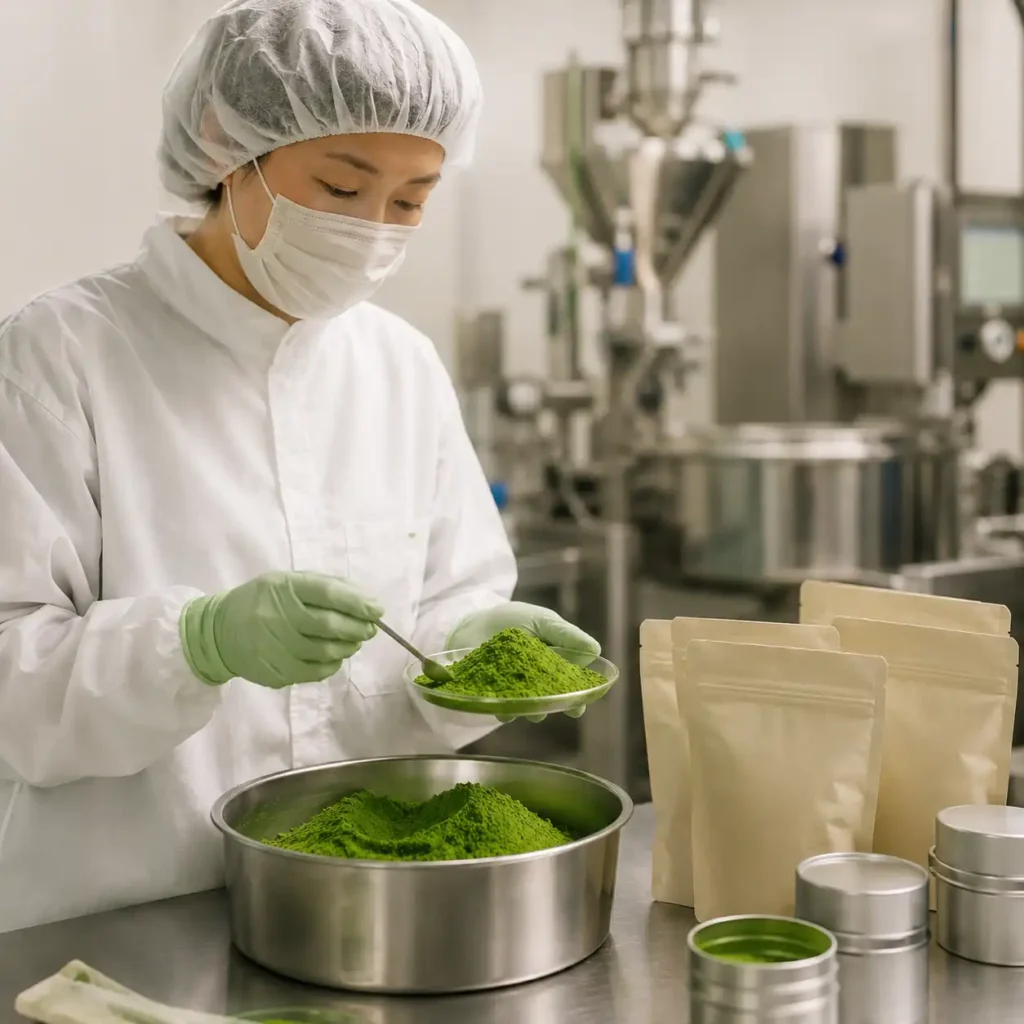
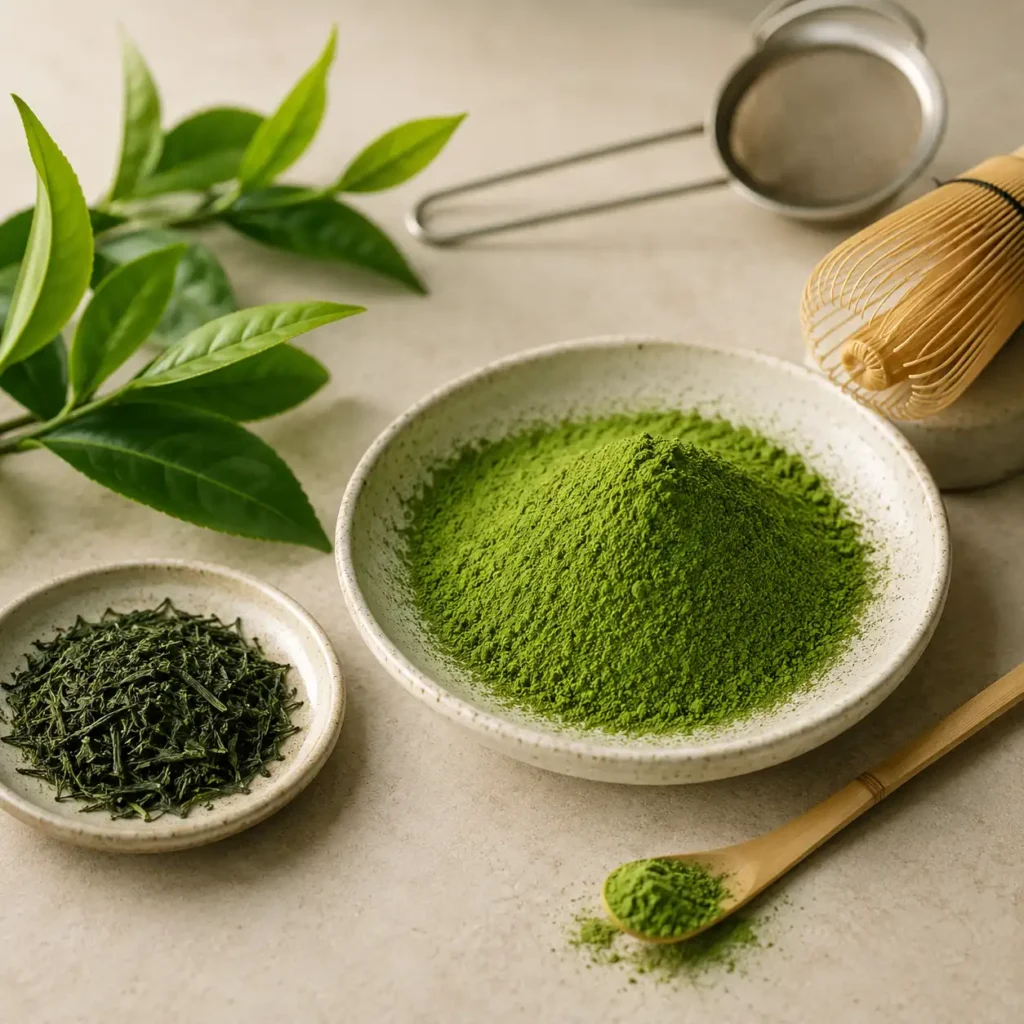
Many people think matcha is just green tea leaves ground into powder. In fact, true matcha requires a dedicated process from cultivation to milling. High-quality matcha is usually made from shade-grown young tea leaves, then carefully steamed, dried, sorted, and finely milled to create its smooth texture, vibrant green color, and delicate flavor.
Shading Is the Key to Matcha Quality
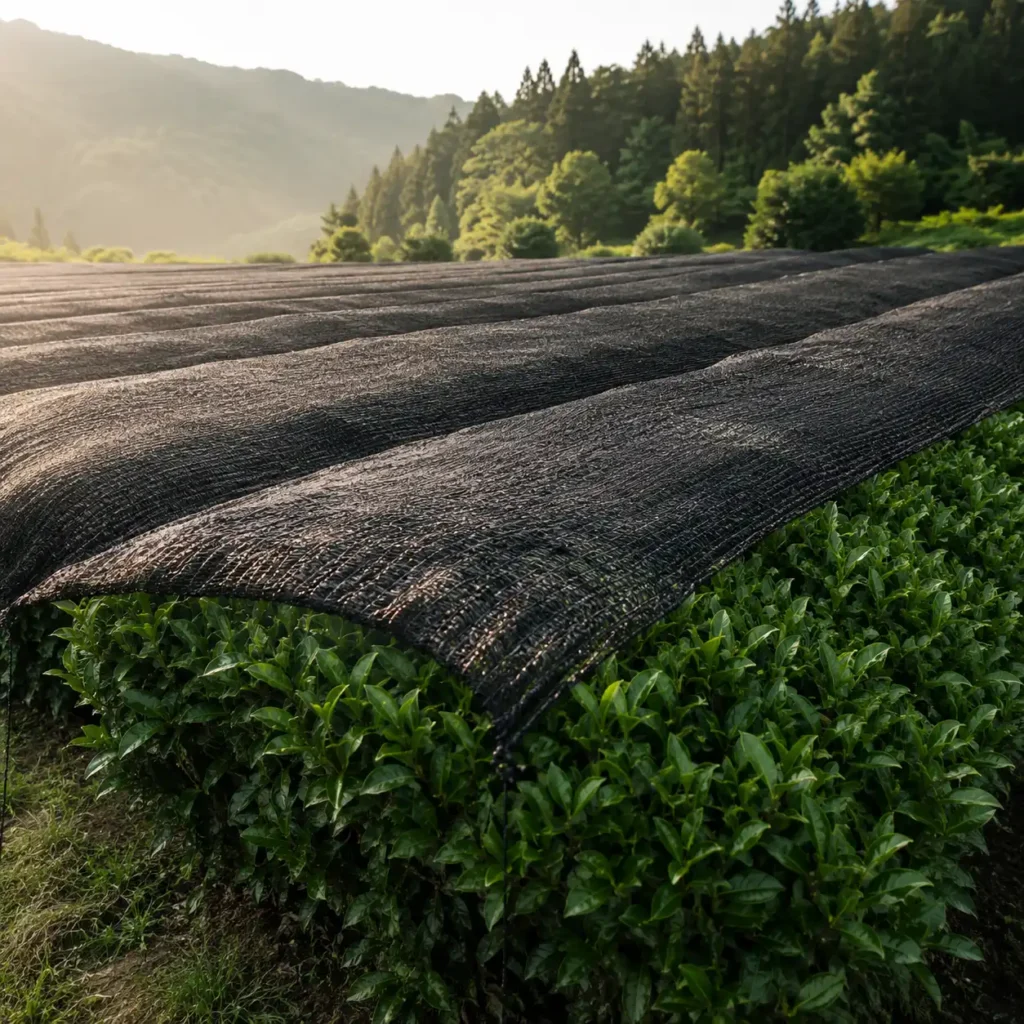
Before harvest, matcha tea plants are typically shaded for several weeks. This process reduces direct sunlight and helps the leaves develop more chlorophyll and amino acids. As a result, matcha gains a brighter green color, a smoother taste, natural sweetness, and a fresh aroma with a subtle seaweed-like note. Shading is one of the most important steps that makes matcha different from regular green tea.
Rooted in Eastern Tea Culture
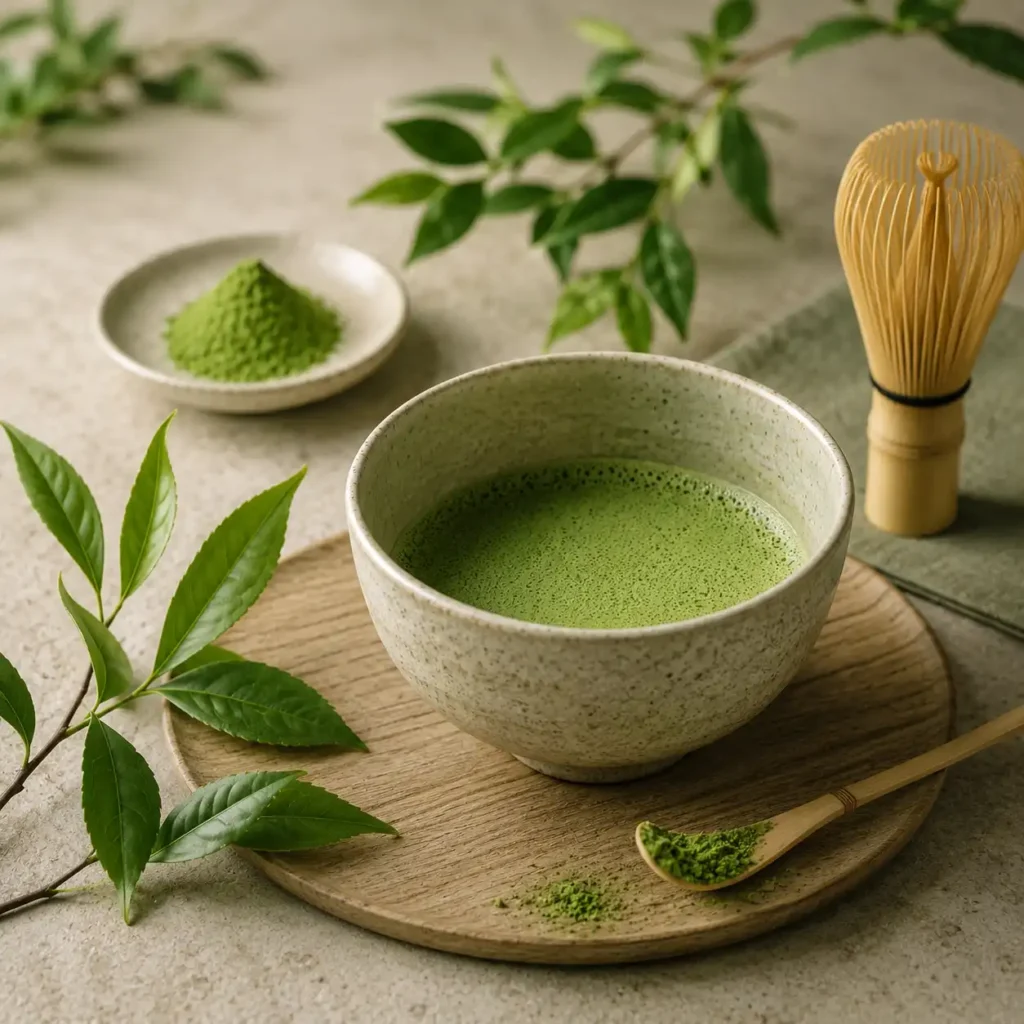
For B2B buyers, choosing the right matcha supplier is essential. Color, particle size, aroma, taste, food safety standards, and supply stability all affect the final product experience. Different applications also require different grades of matcha. Ceremonial-grade matcha is ideal for direct drinking, while prMatcha has deep roots in traditional Eastern tea culture. Its early form can be traced back to powdered tea practices in ancient China, where tea leaves were processed, ground, and whisked for drinking. Over time, this tea culture continued to develop and became closely associated with modern matcha traditions. Today, matcha connects ancient tea craftsmanship with modern beverages, desserts, and food applications.
Different Grades for Different Uses
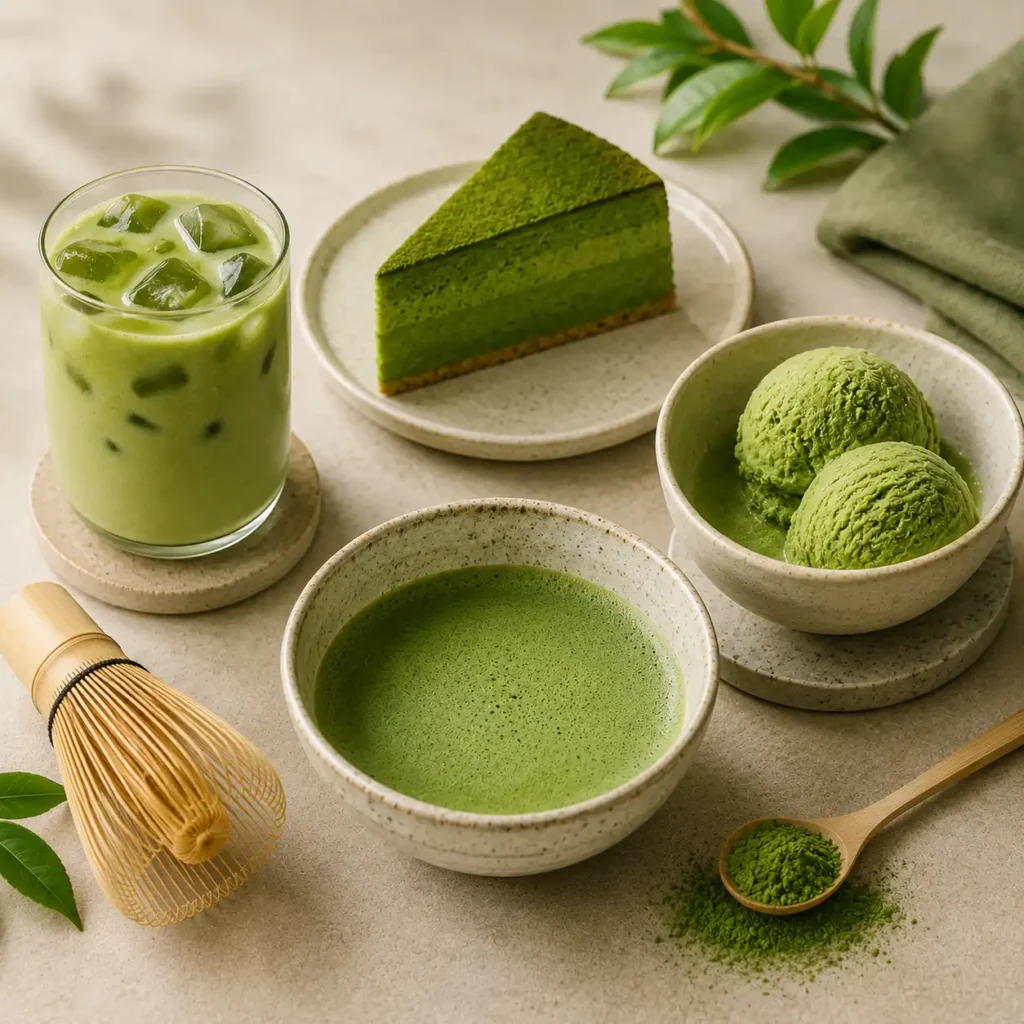
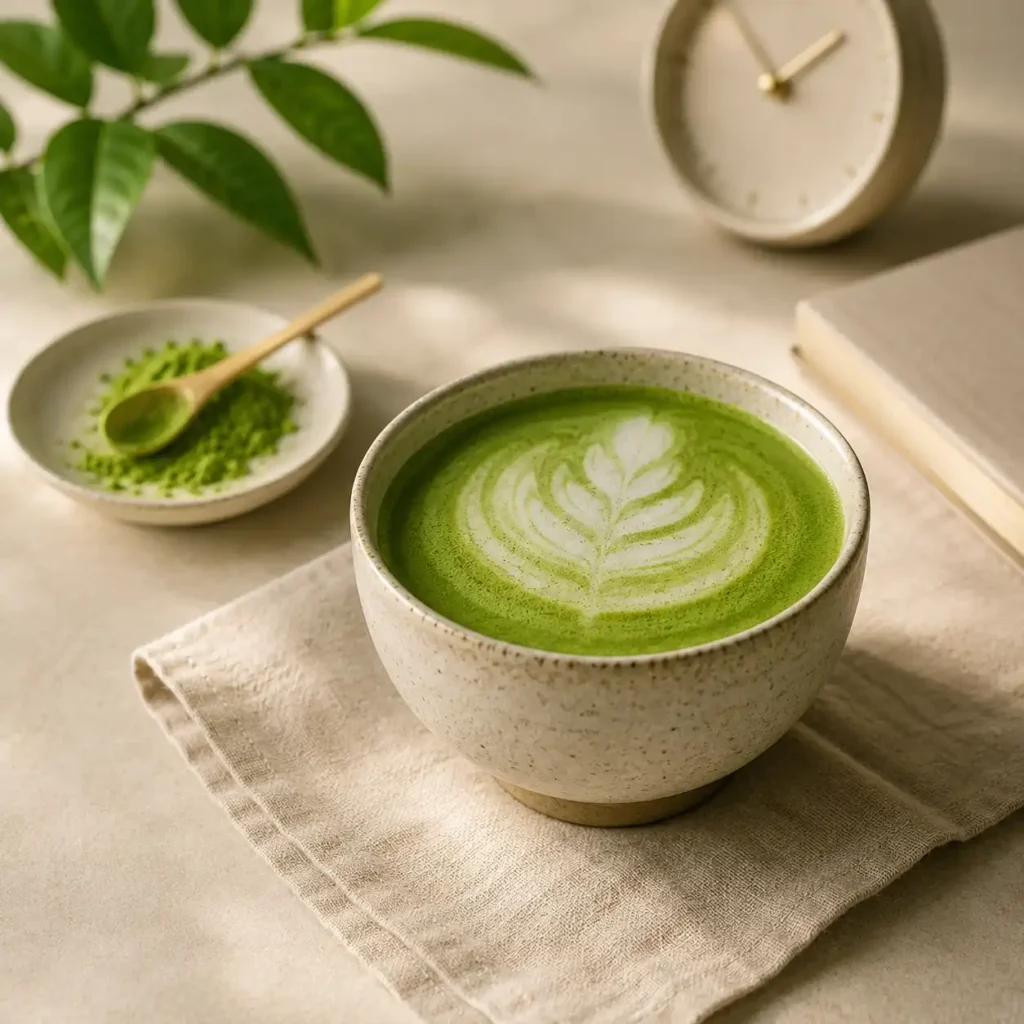
Different matcha grades are designed for different applications. Higher-grade matcha is ideal for direct drinking, traditional preparation, and premium matcha lattes. Beverage-grade matcha is well suited for cafés, tea shops, and drink brands. Culinary and food-grade matcha works better for cakes, ice cream, chocolate, bakery products, and large-scale food production. The best matcha is not always the highest grade, but the one that fits the right application.
A Gentle Energy, but Still Contains Caffeine
Matcha is known for its natural energy boost because it contains caffeine. Since matcha is made from young tea leaves and the whole powder is consumed, its caffeine content can be higher than many people expect. For those who are sensitive to caffeine, it is better to control the serving amount and avoid drinking strong matcha late in the day. People with sensitive stomachs should also avoid high-concentration matcha on an empty stomach.
Quality Comes From Stable Supply
Truly good matcha is not defined by color alone. Particle size, aroma, taste, food safety standards, and supply stability all affect the final product experience. For brands, cafés, bakeries, and food manufacturers, working with a reliable matcha supplier helps ensure consistent flavor, stable quality, and dependable long-term supply. From tea garden to finished product, every step matters.